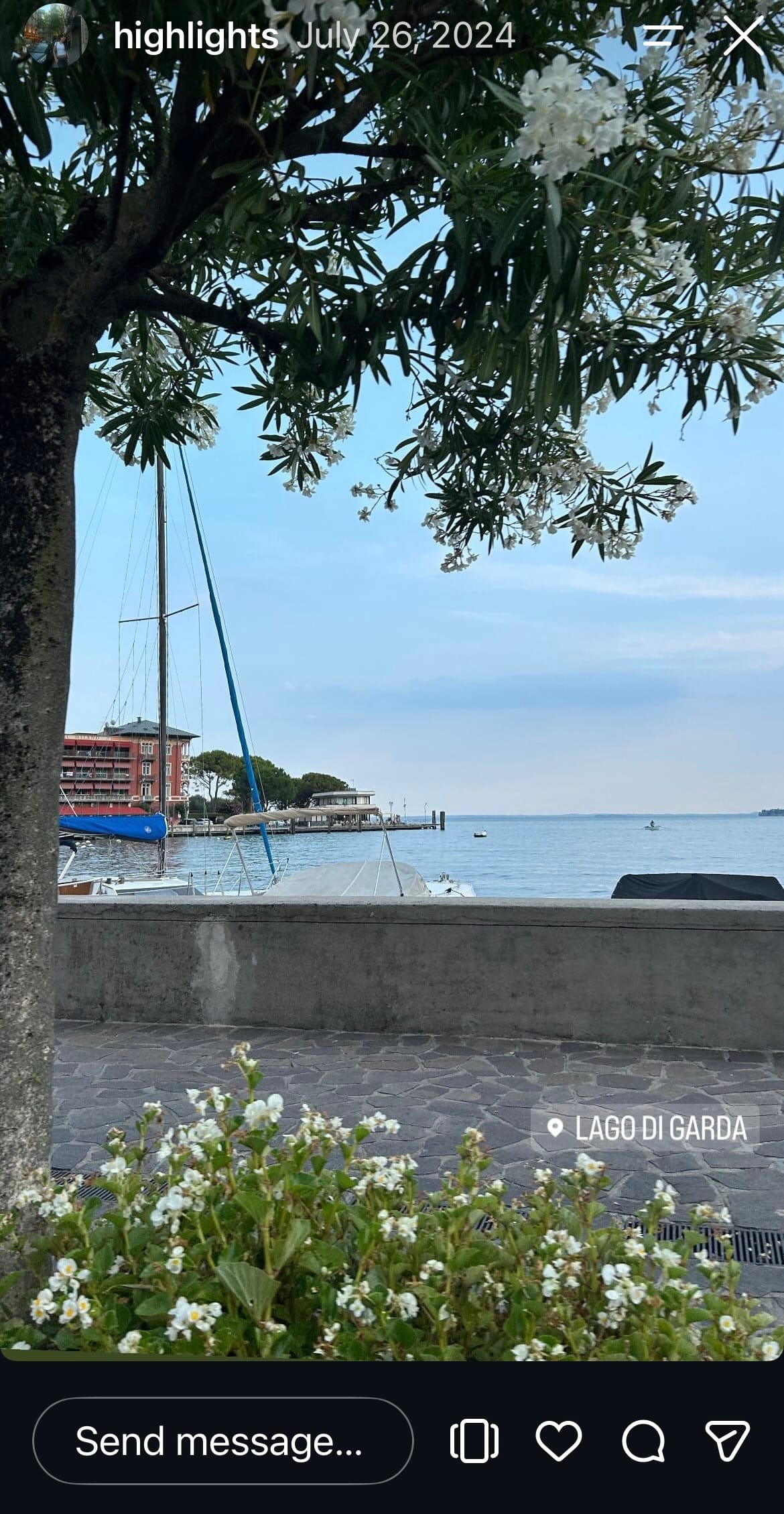
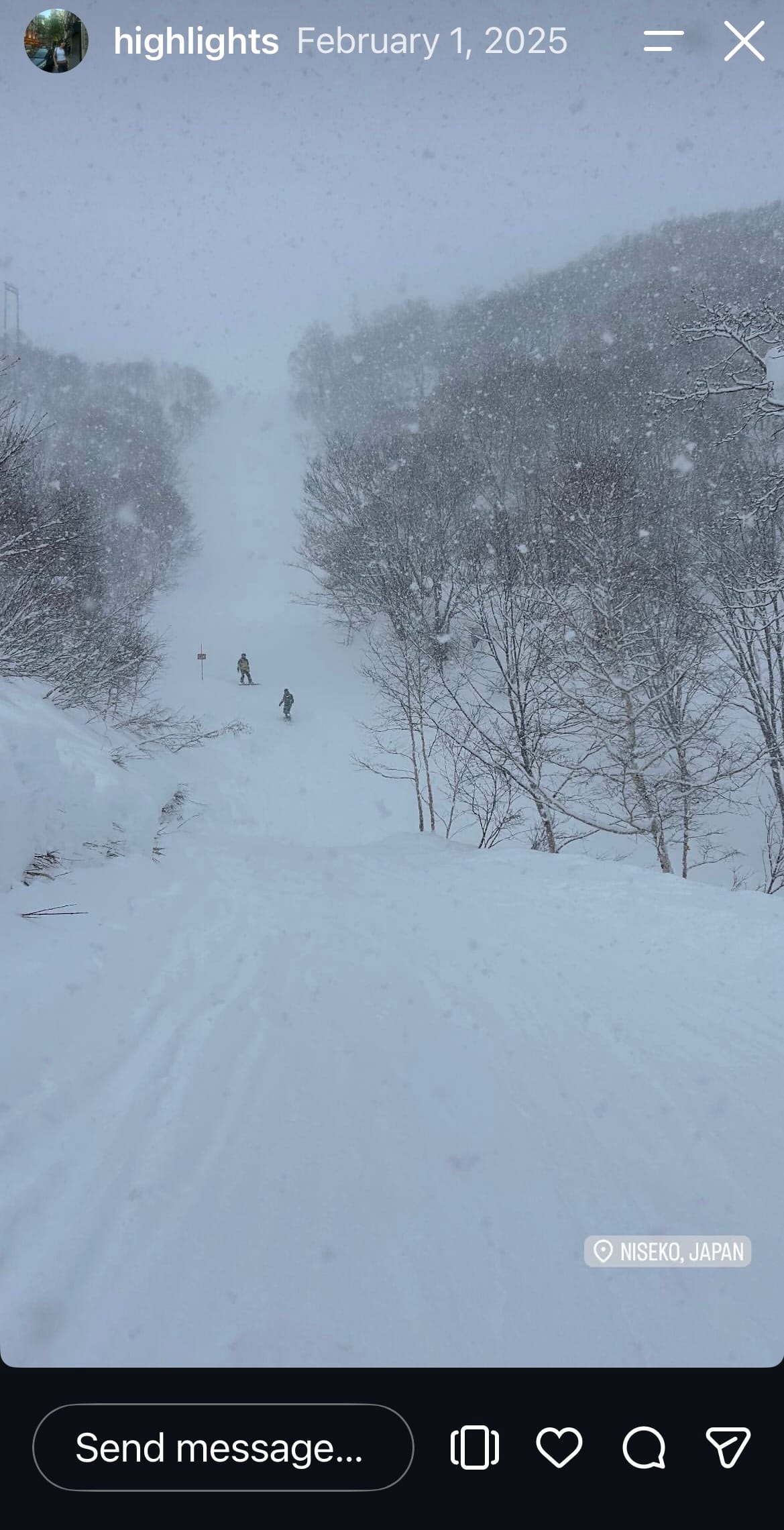
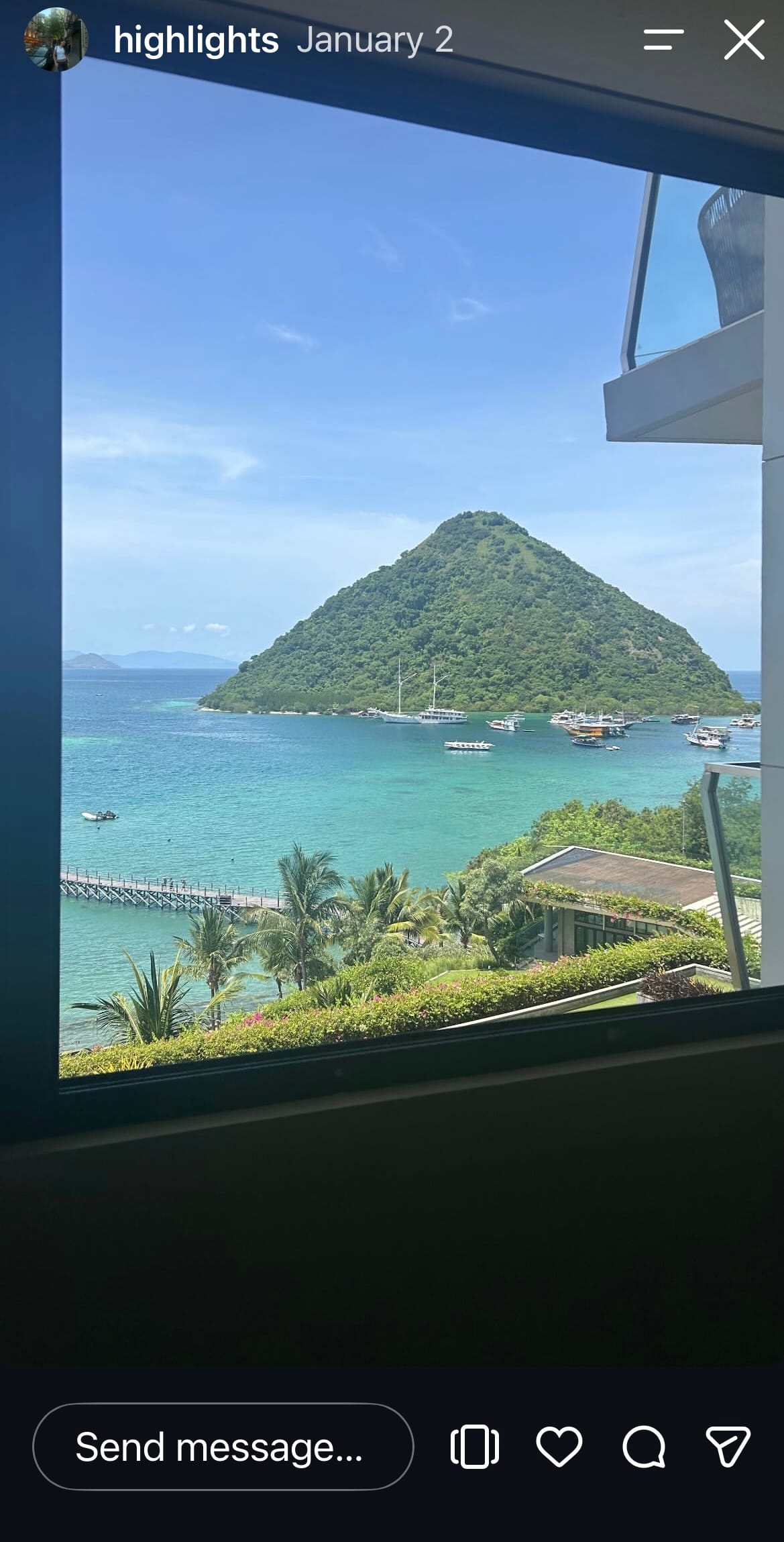
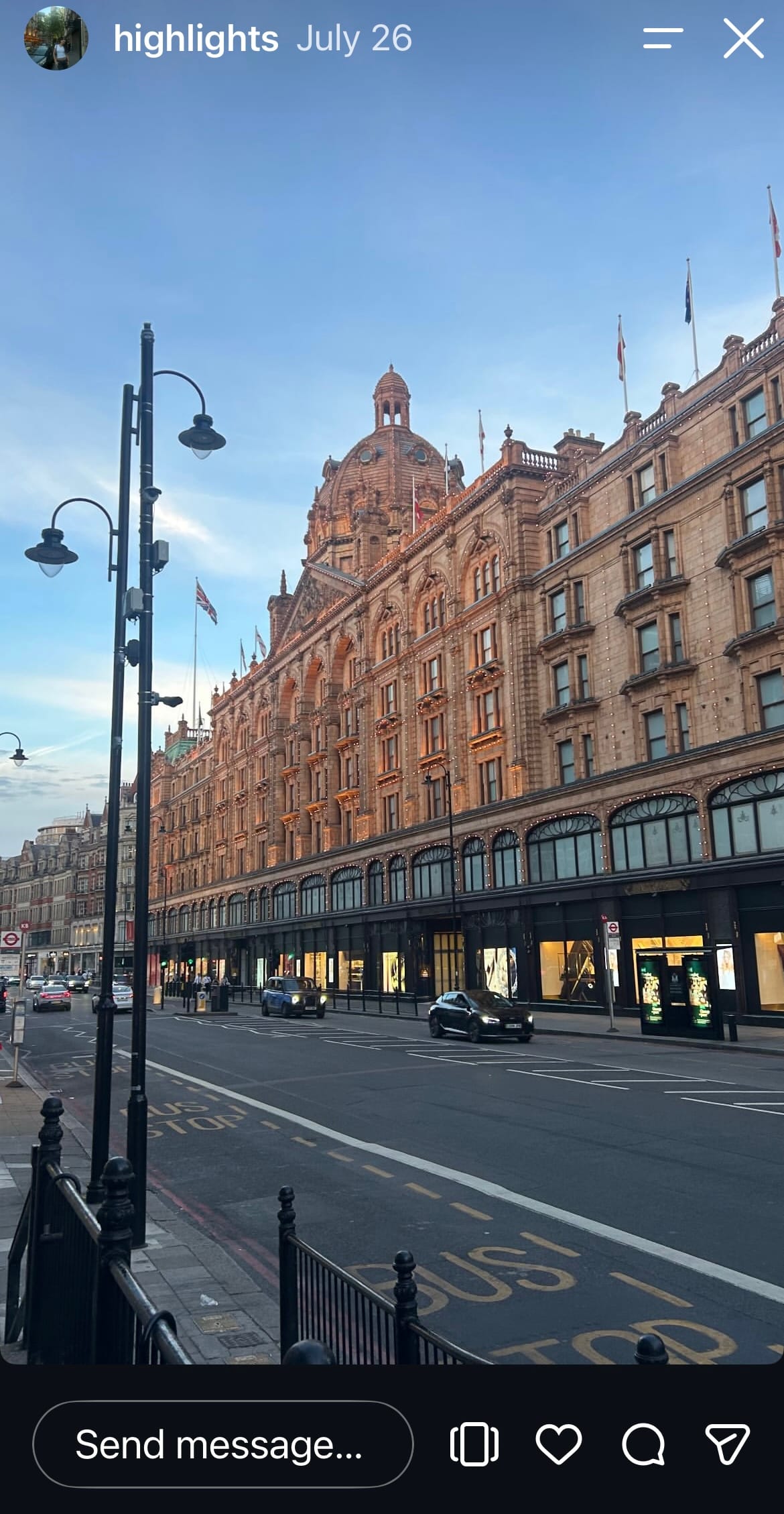
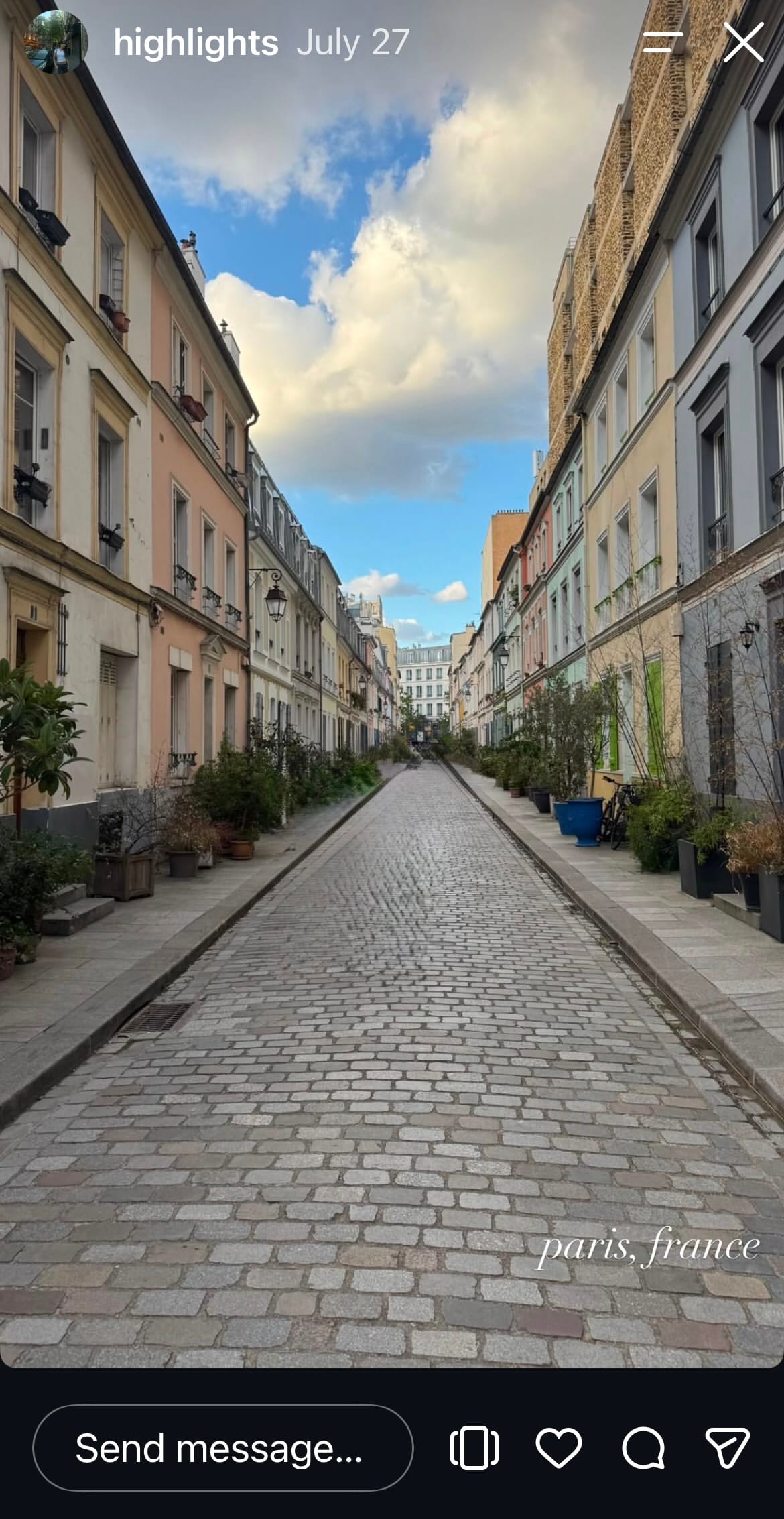
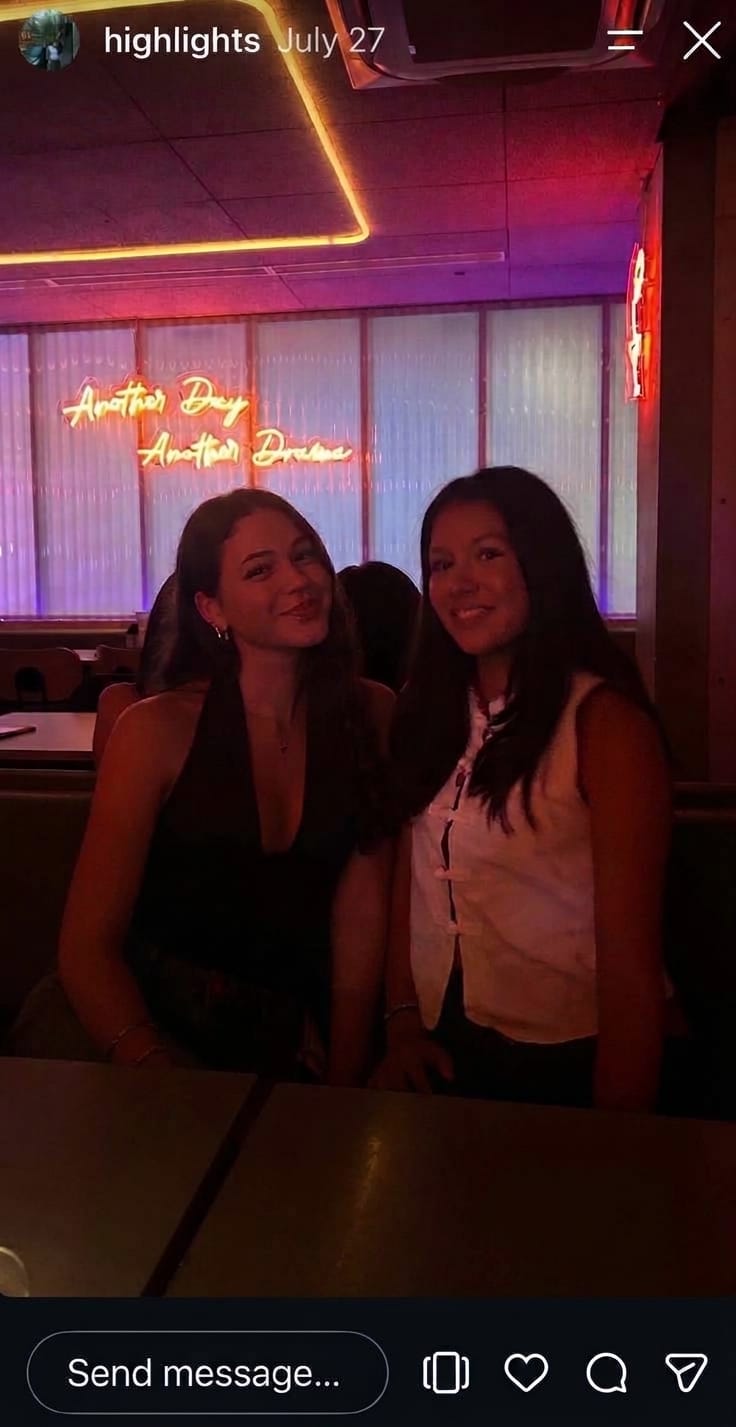
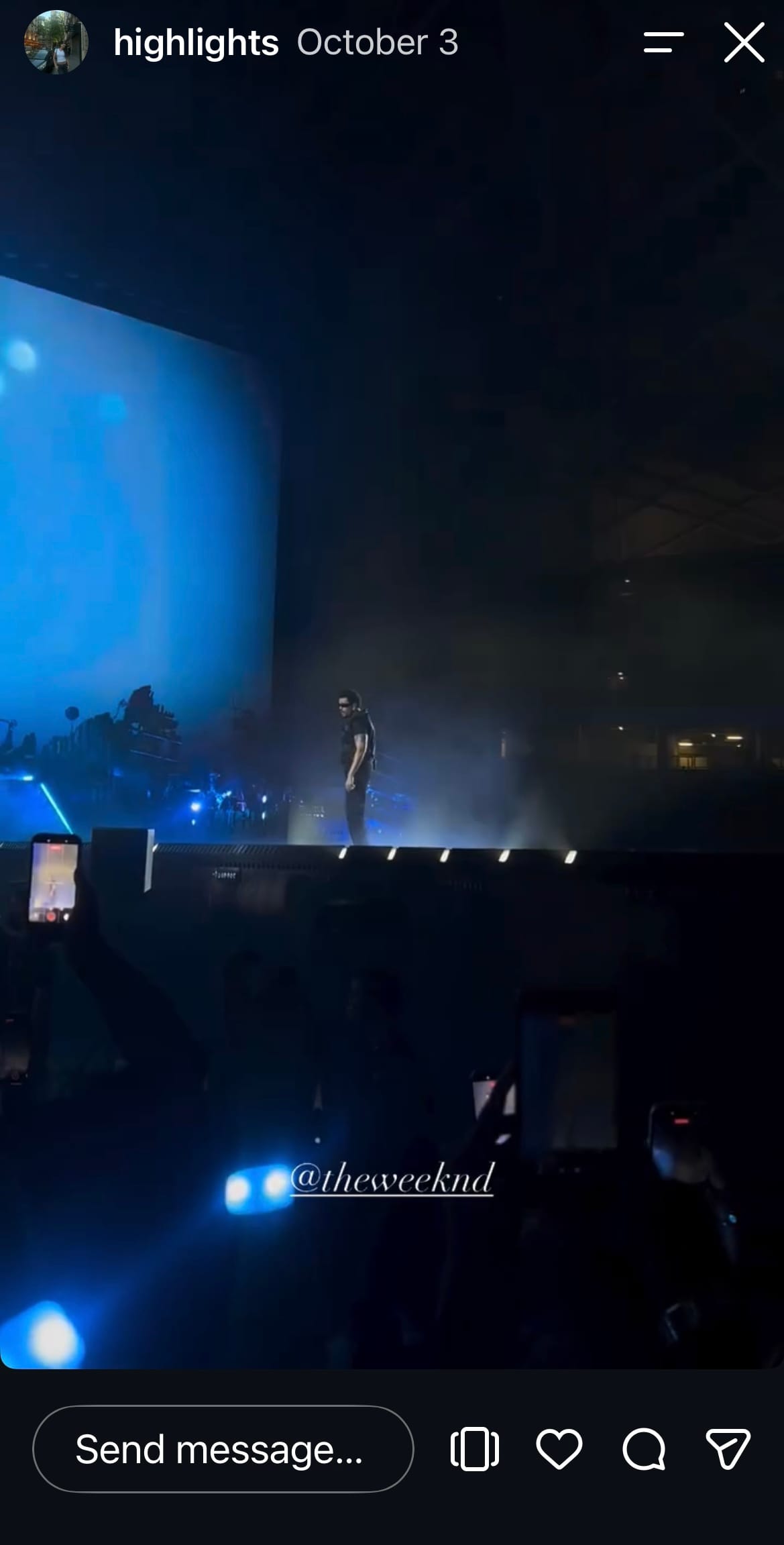
This is the absurd thing that Instagram features have allowed users to do: post something on their profile even if it completely contradicts reality. Now people can shape their stories and experiences, fake them, and mold them. Many high schoolers do this regularly; I've been doing it for over a year on my Instagram account.
This is a tiny, harmless decision: posting something so only those stalking you will see it.
Except, this manual isn’t so harmless. And many of us are unaware that following the manual without skipping steps ends up creating unrealistic personas on social media.
On Instagram, I have become the show, the obsesser, and the stalker all at once.
Steps 3-6: Falling Down the Hole
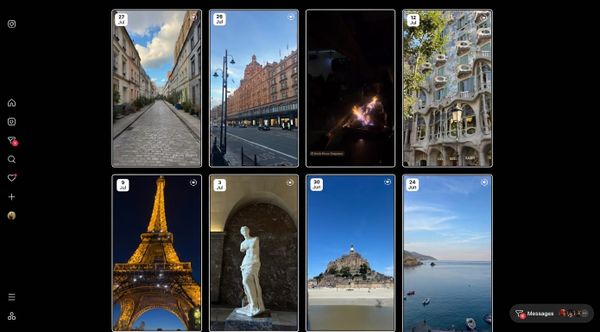
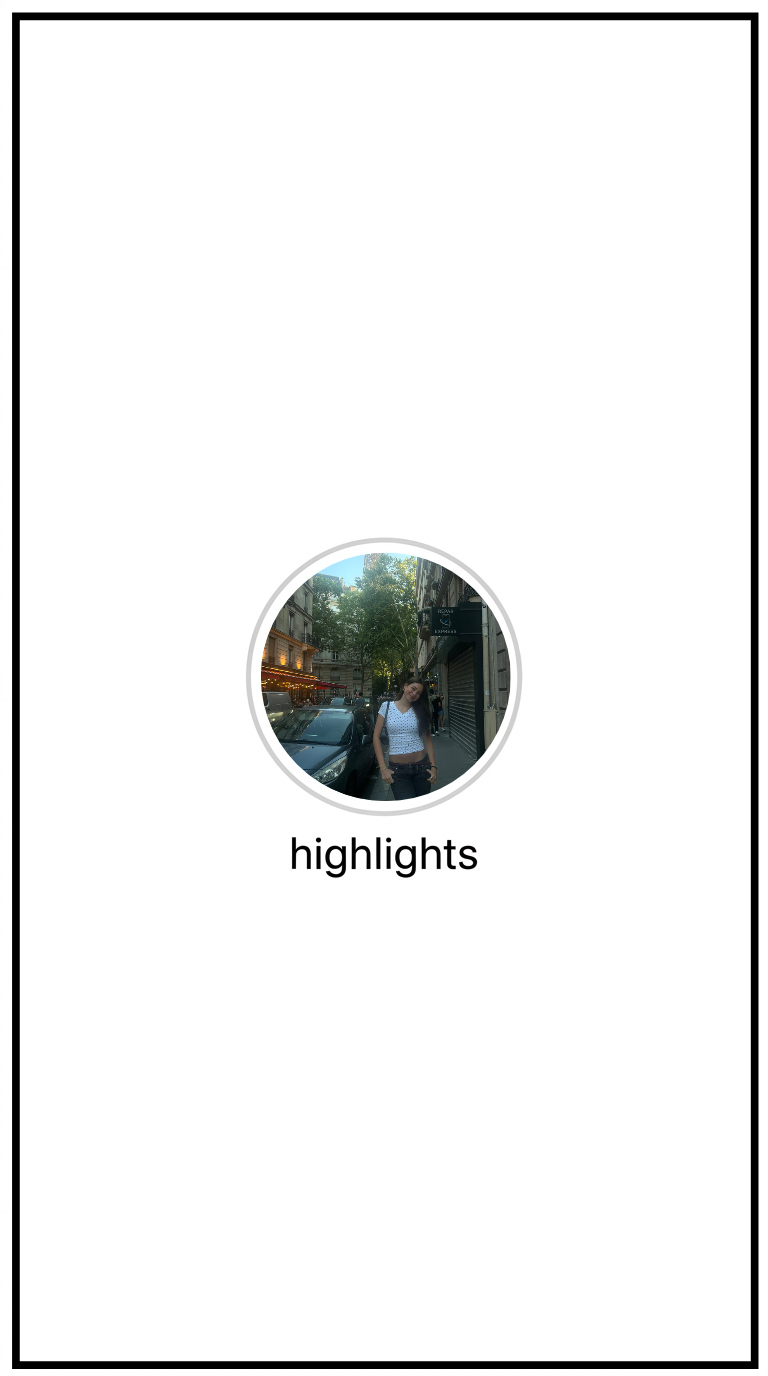
Steps 3-6 of the manual set up the show of the story. The photo is picked, intentionally adjusted with angles and lighting to make sure it’s as flattering and aesthetic as possible. The music is searched on Spotify for the best fit to the photo. You post it. Then, moments later, it gets archived. No one gets the chance to actually see it attached to the small circular profile representing your Instagram account on the main stories feed— there’s so much effort put in, just for no one to have really watched the show. These steps are put in place in response to what psychologists call imaginary audience, where adolescents have been found to “frequently view themselves with the judgements of peers in mind.” Nobody is actually judging, but steps 3-6 prepare one as if they are.
Once a story is archived, the infamous “viewers list” gets deleted. The only viewer actually proven to have seen the story is the creator of it. The stories are created to be looked at, with no one actually proven to have seen them.
Steps 7-9: Entering the Fantasy Land
While the initial steps prepare you for the creation of the show, steps 7-9 lead you to the fantasy land. This step prepared you to look at your profile without owner access. This shows what your account “authentically” looks like to everyone else. In the essay “The I in the Internet”, Jia Tolentino mentions that our generation has started treating themselves as content to be viewed and judged by others. The absurd idea is that, in these steps, you need to switch to a different account to see your own profile; the second account gives you the key to thinking like a stalker. We imagine and see what others would think of us, and attempt to change it by repeating the Instagram manual. Sometimes, you might even skip the earlier steps altogether, jumping straight to step 9 to stalk yourself. Over and over again.
On Instagram, I have become the show, the obsesser, and the stalker all at once. Because really, the only person actually stalking my stories is me.
Step 10: The Never-Ending Fall
The Instagram manual reveals the problem in our generation. Step 10 starts with a concerning word: “Repeat.” The fall down the toxic rabbit hole of curating fake stories and stalking yourself never concludes. My Instagram is constantly being changed by me, judged by my thoughts, and reordered by my likes. My profile will never be finished, because I will never be satisfied with the final product.
Now, we have reached a point where words like digital bodies are created to describe “how we feel, move, and become through and alongside digital technologies.” The problem is that gradually, the digital body has become “not an abstraction—it is us, becoming, again and again.” All this effort is impractical: maybe an occasional follower who was just added will go through the profile once in a while, but even this is not guaranteed. The Instagram archiving manual is something teenagers bond over. Why is it that using an app to watch ourselves is so easy and fun to use?
The Paris photo posted on July 27th isn’t really a lie, because no one will see it to believe it. It is just one more show I created for no one to watch.