
Disappointed Reflections on Single’s Inferno Season 5
The fifth and latest season of South Korean reality dating series Singles Inferno has left me feeling distinctly unpatriotic.
In a deeply disillusioning manner, the season fails to distinguish itself from previous ones and, instead, serves as yet another on-screen reenactment of all the flaws embedded in South Korea’s deeply classist and patriarchal society.
The premise of the series remains consistent: contestants are sent to an island known as Inferno, where they sleep in gender-separated tents and are forbidden from revealing their age or occupation. If they successfully pair up, they win a trip to Paradise: a luxury resort in Incheon. As the season unfolds, contestants are observed by a panel who judges participant pairings.
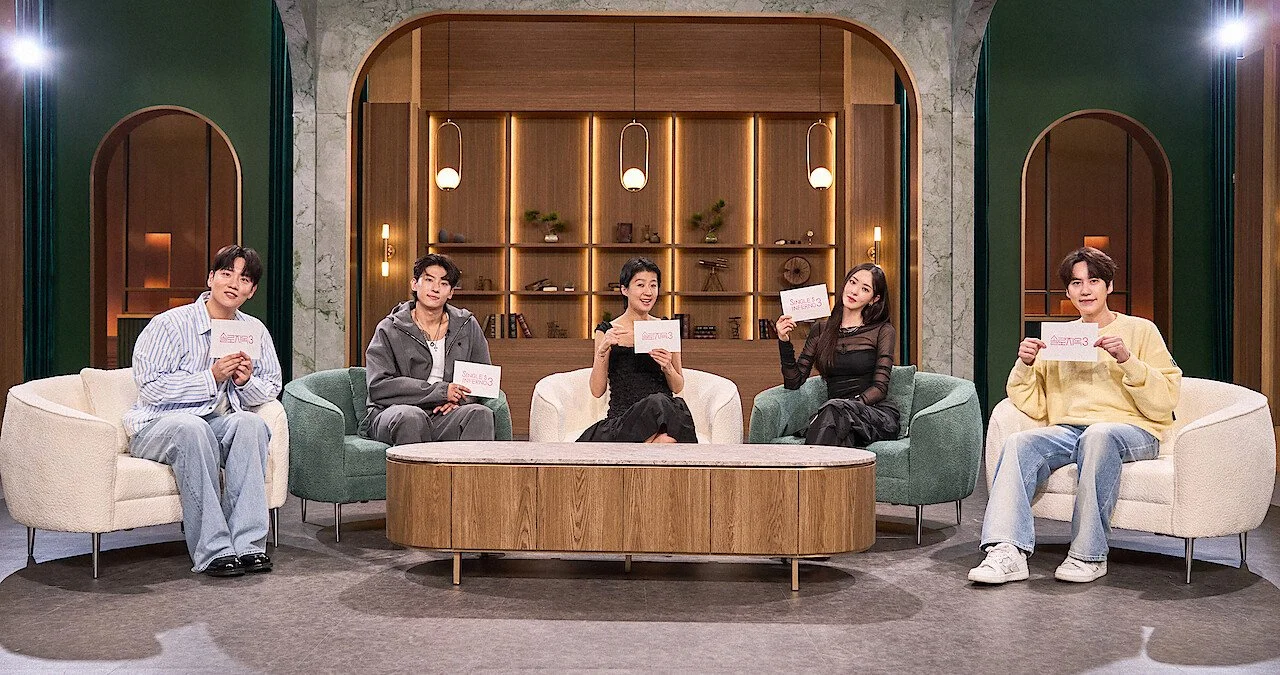
The rule of confidentiality, in theory, is meant to encourage genuine connection by removing markers of status. If compatibility between contestants were reduced to attraction and emotional significance, then Inferno might succeed in serving as an egalitarian domain. Yet this assumption overlooks a central contradiction.
As it turns out, refraining from revealing one’s social status in Inferno only heightens its significance once it is finally disclosed in Paradise.
In episode 8, Lee Sung Hun and Park Hee Sun win a trip to Paradise together despite having had little prior conversation. Sung Hun is an American-raised UC Berkeley alumnus, now working in finance in New York, while Hee Sun is studying Information Systems at Carnegie Mellon. Upon this reveal, Sung Hun suggests to Hee Sun–and later reiterates in an interview–that she is his best match on the show.

Perhaps it's their shared international pedigree that provides common ground, unlike the other contestants who had, regrettably, been condemned to a local education.
The terrible fate of a domestic background—devastating, I’m sure.
The panelists frame this reveal as a romantic milestone for the two, but on screen, it reads as little more than a confirmation of socioeconomic compatibility. South Korean public opinion of this pairing quickly flipped from scepticism to praise, but their chemistry on screen struck me as virtually nonexistent. Their conversations barely moved past professional inquiry, and I felt as if I were watching an awkward job interview.
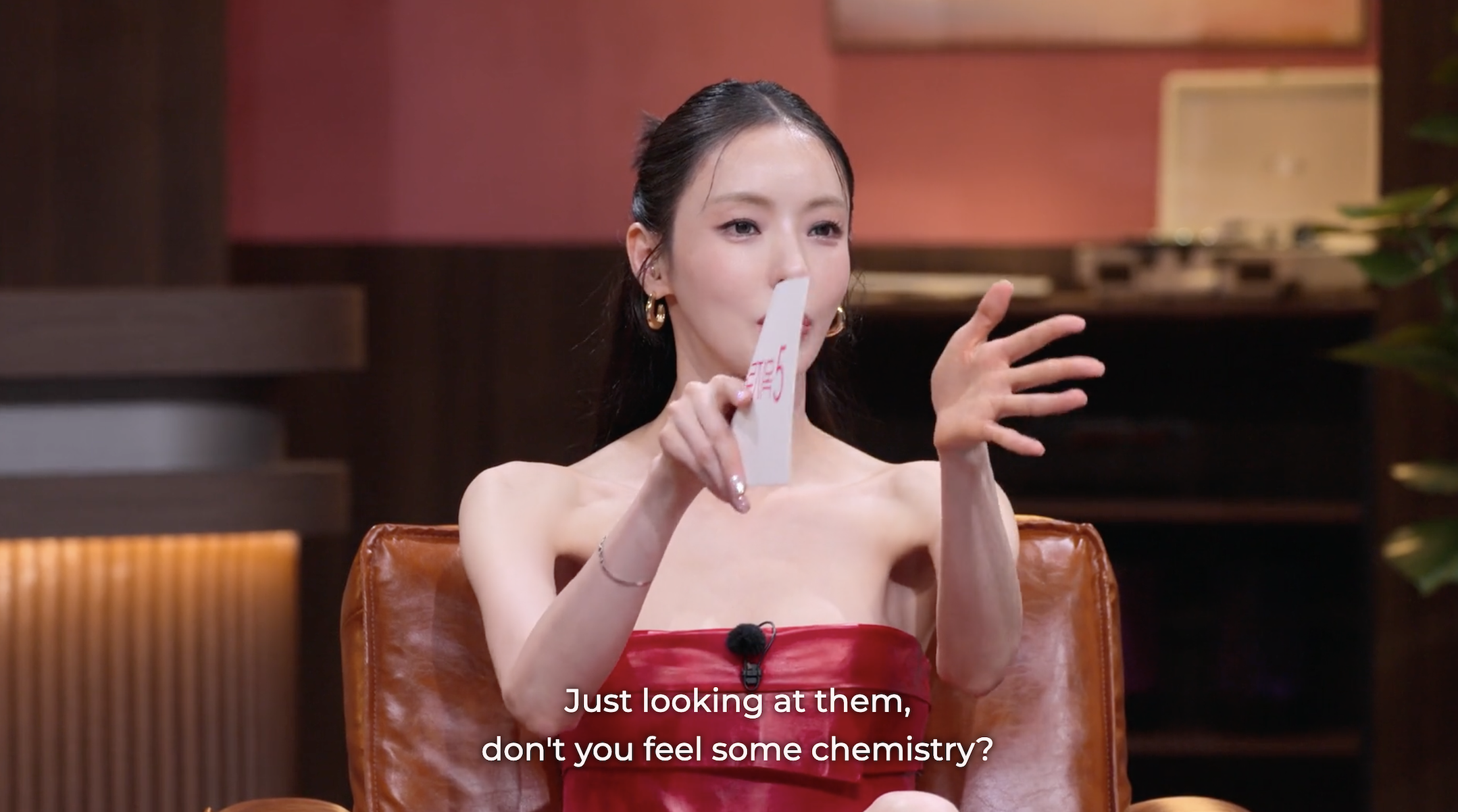
An extremely underwhelming watch, the entire scene reflected the weight South Korean society places on societal ranking when searching for potential romantic partners, prioritising class compatibility over sincere connection. Despite the “rule of confidentiality” in place, it hardly gets rid of the subtle status-seeking behavior contestants exhibit on the show.
Moreover, Singles Inferno continues to reproduce misogynistic undertones closely resembling broader themes in Korean culture.
Contestants on Season 5 of the show align flawlessly with contemporary South Korean beauty ideals. It’s well established that the nation’s most “desirable” traits often revolve around proximity to Eurocentric features: absurdly pale skin, surgically constructed double eyelids, and prominent nasal bridges. At the same time, it also places heavy emphasis on softness and palatability, neutering femininity and often rejecting features that are read as too assertive. This tendency to associate desirability with aesthetic compliance is apparent in the way female contestants are spoken to by their male counterparts.
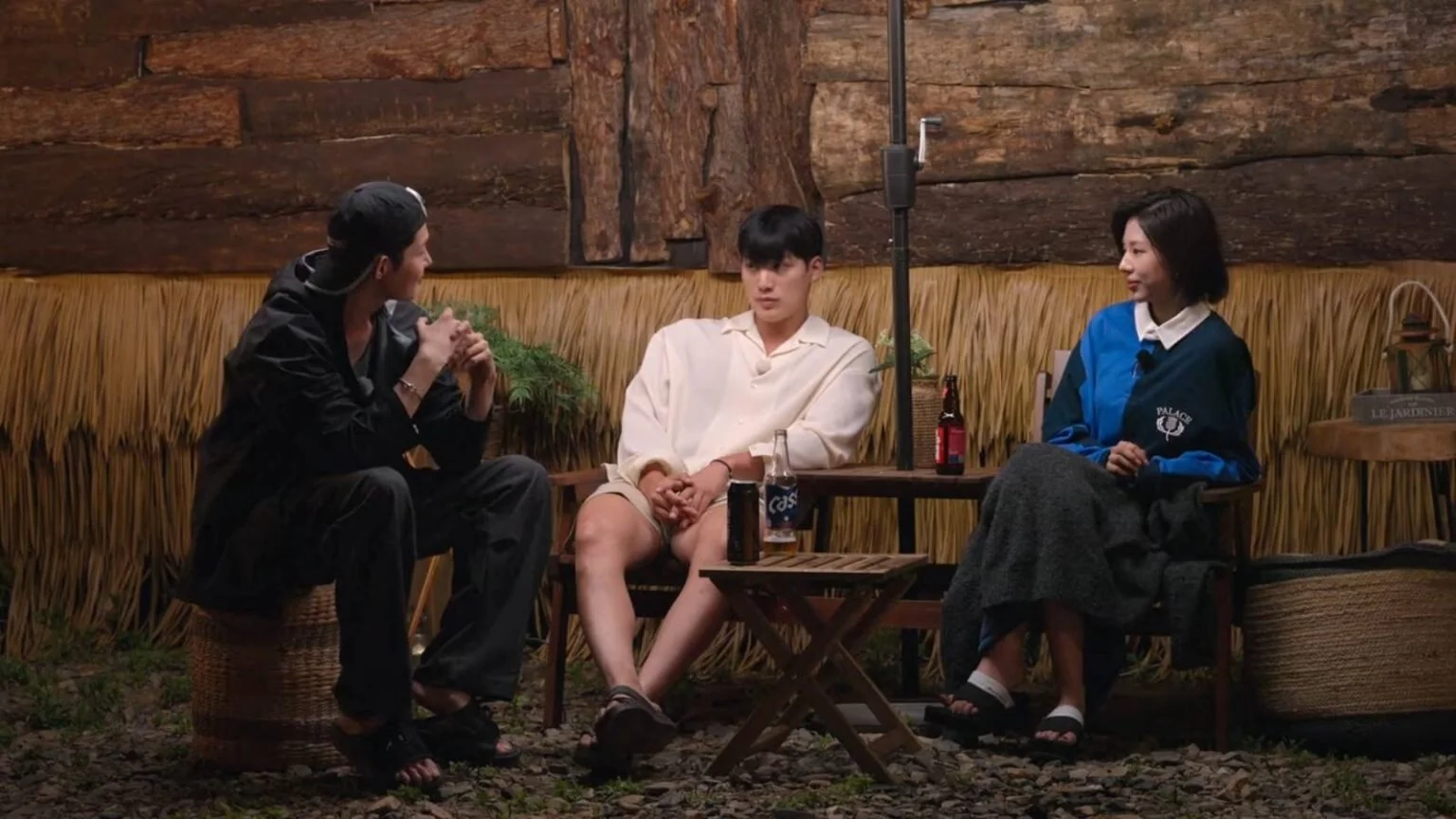
In Episode 11, Kim Go Eun asks contestants Shin Hyeon Woo and Woo Sung Min what makes her appealing to them. Despite 10 whole episodes of getting to know one another, their responses still oriented entirely around her physical appearance. For international viewers like myself—particularly in Southeast Asia where aesthetics are comparably more diverse—the emphasis felt stifling.
On a similar note, one particular female contestant stood out for me this season. Track athlete and social media personality Kim Min Gee gained significant praise from foreign audiences for her confidence and authentic personal judgments. While I would argue that her outspokenness and conviction form the basis of her femininity, this position was met with clear disagreement from panelists and Korean netizens.
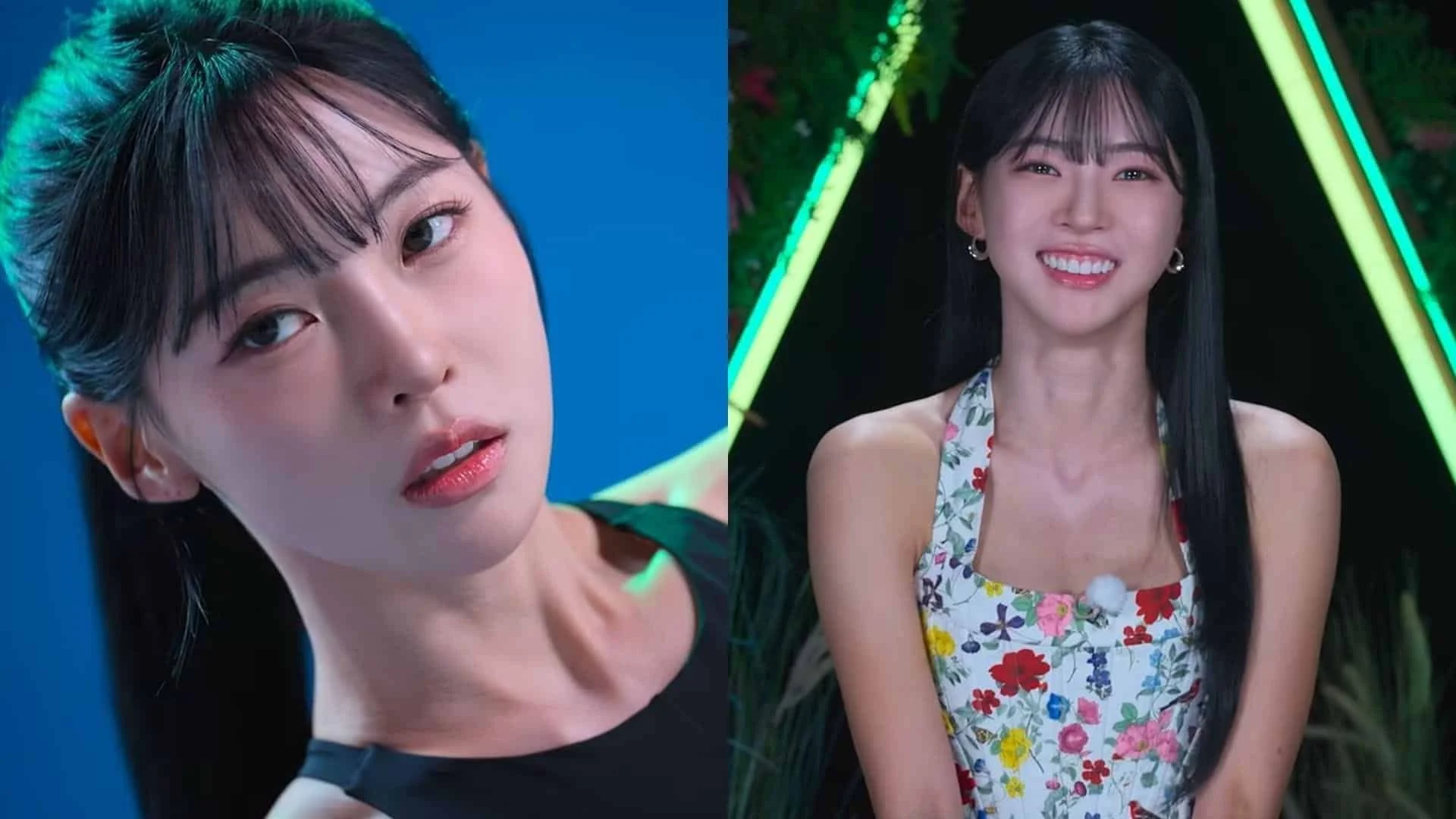
In fact, Min Gee gained the nickname “태토녀,” which quite literally translates to “Testosterone- woman.” It was heavily implied that her blunt confidence and refusal to remain reserved during conversations were interpreted as “masculine,” positioning her well outside conventional Korean gender roles. The idea that these traits were read as incompatible with femininity is baffling, and as production continued to portray her as the season’s ‘tomboy,’ I found the narrow framing increasingly frustrating. If this rigid notion of gender expression doesn’t point to the nation’s failure in confronting entrenched patriarchal norms, it's difficult to know what does.
Frankly, this season’s greatest hallmark lies in its ability to rehash the same regressive tropes from previous seasons. Whether that consistency is reassuring or deeply grating depends on how willing you are to spend another season watching “romance” unfold in Inferno.