Why You Can See Everything feels like a Narrative Film, not a Conventional Documentary
You Can See Everything, which explores fraudster and Theranos founder Elizabeth Holmes thirty-four days before she is sent to prison, uses intentional choices in its cinematography, editing, and music to make it my favorite film of the year.
I’ve never been more entranced and shocked by a documentary than You Can See Everything (2026). Directed by Lance Oppenheim and Nathan Fielder, the documentary follows fraudster and Theranos founder Elizabeth Holmes, along with her boyfriend Billy Evans and Nathan Fielder himself, thirty-four days before she is sent to prison.
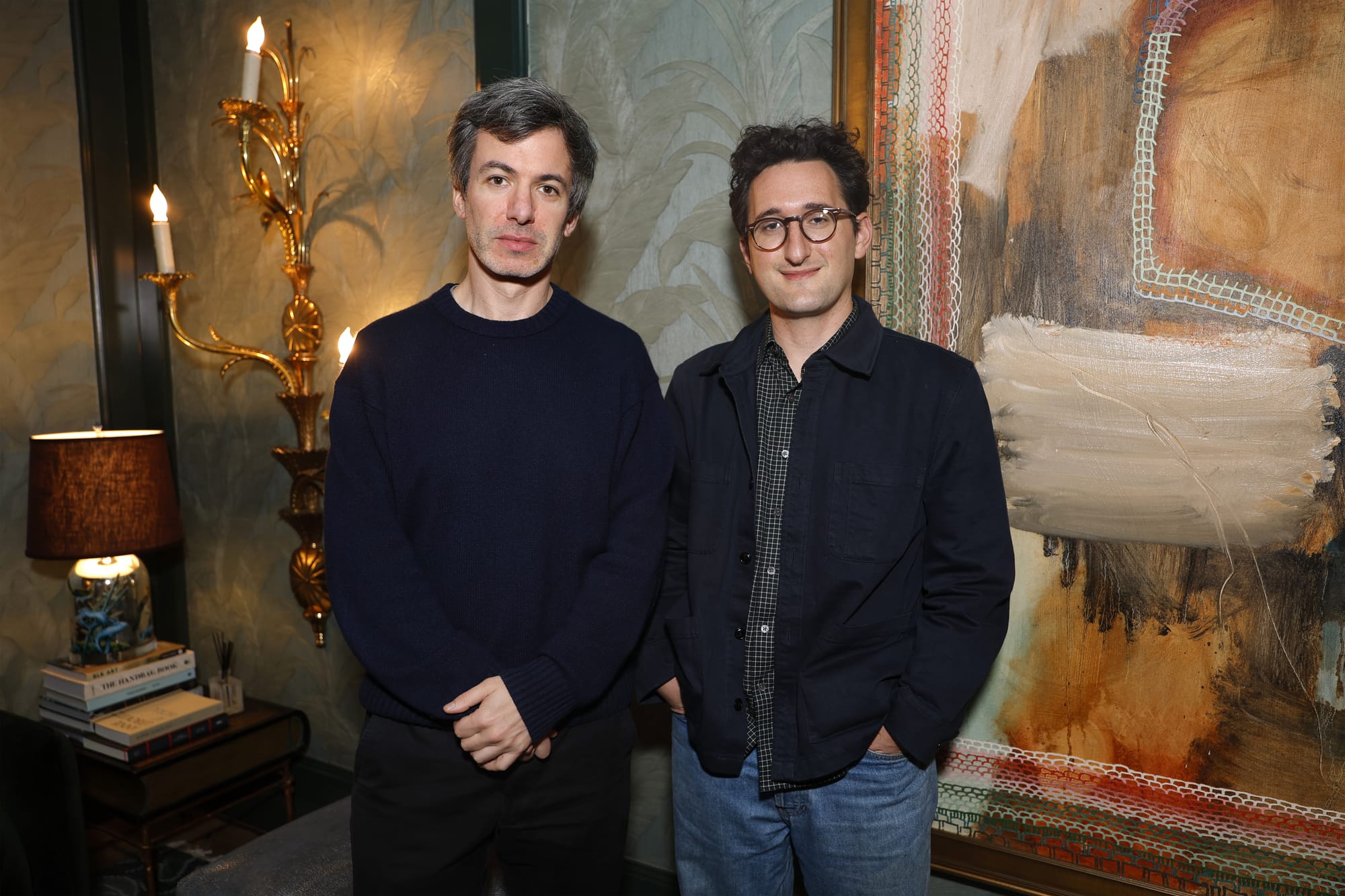
Nathan Fielder and Lance Oppenheim at an event for You Can See Everything (2026)
Outstandingly, but not surprisingly, You Can See Everything has a 9.0/10 on IMDB, a 97 on Metascore, a 97% critic rating on Rotten Tomatoes, a 4.6/5 on Letterboxd, and it is the first documentary to be considered for the Best Picture nomination at the 99th Academy Awards. What makes this film so exceptional is how effectively it combines the visual language of narrative filmmaking with nonfiction events. Its cinematography and unsettling score create an experience that is closer to watching a psychological thriller than a traditional documentary. You Can See Everything is a culmination of Oppenheim’s documentary and narrative work with Fielder’s deadpan, but often revealing, documentaries. The film considers multiple perspectives, including Fielder’s and those of Holmes’ parents, leaving the audience to piece together who Holmes really is. Is she deliberately manipulating everyone around her, or does she genuinely believe in her own innocence? Perhaps the truth lies somewhere in between?
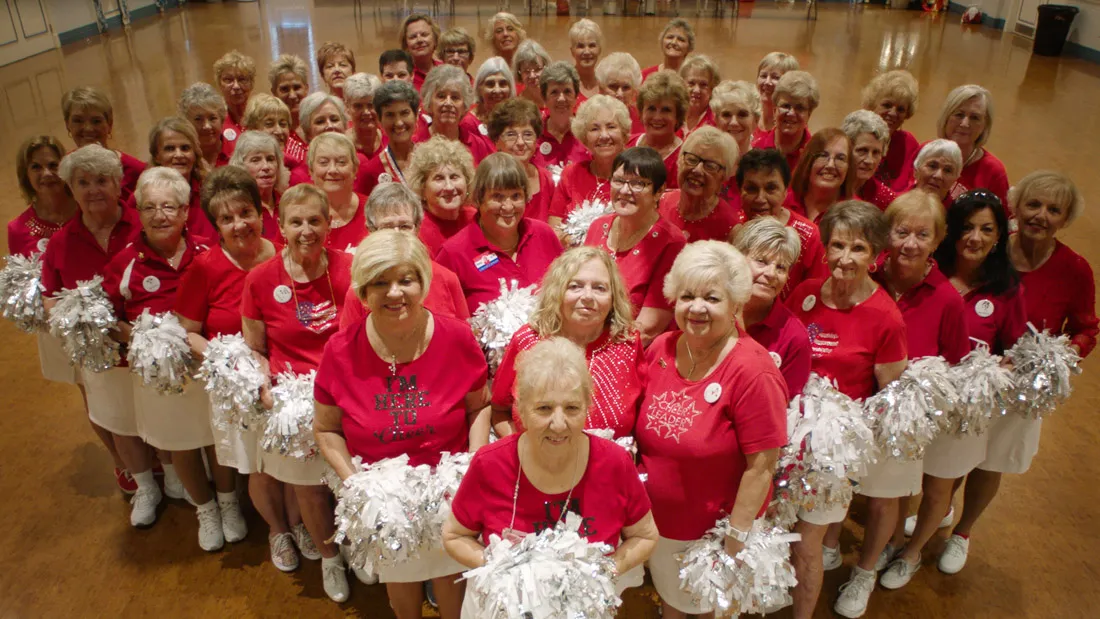
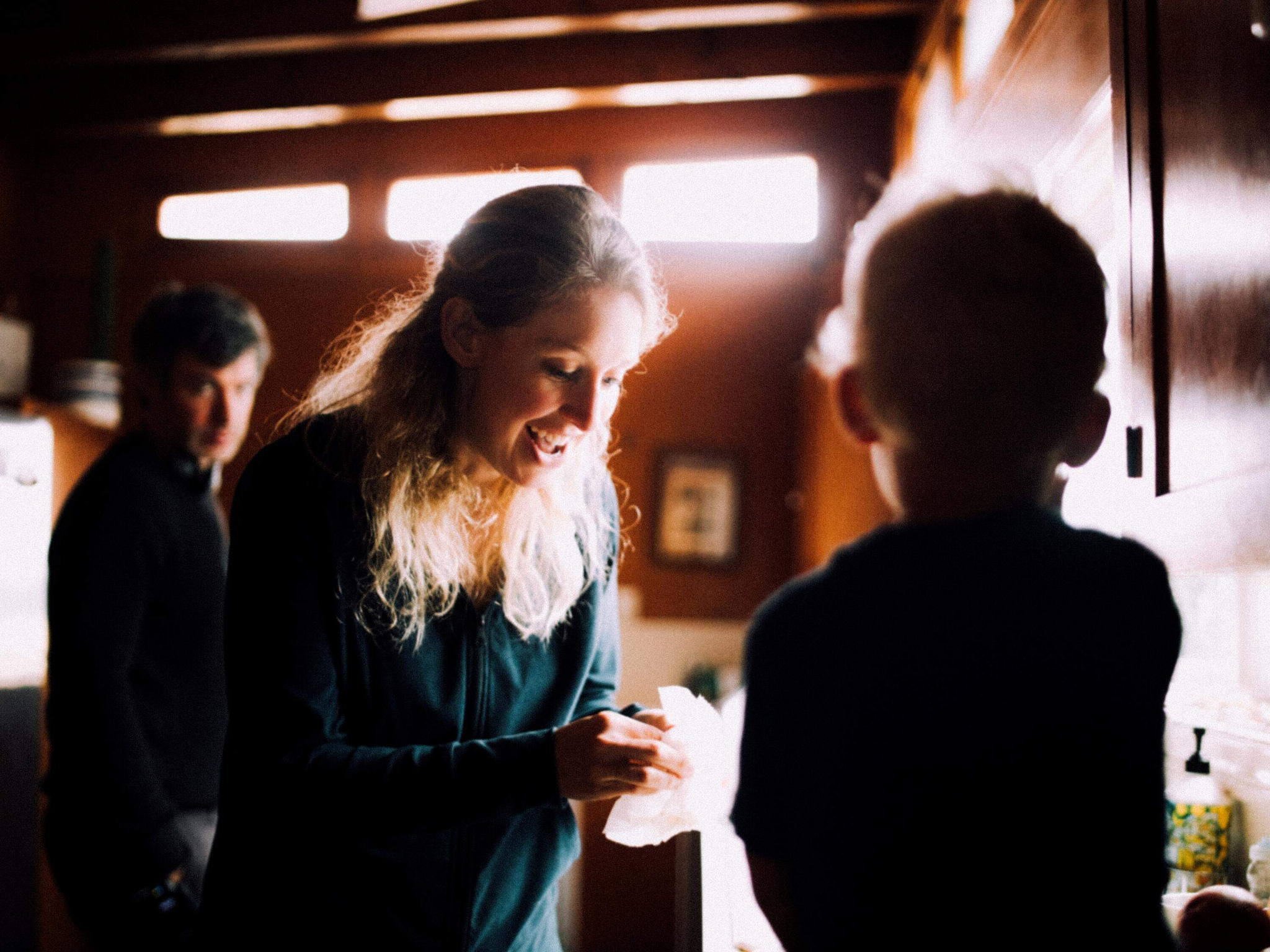
Oppenheim’s documentaries are known for their intentional and almost beautiful cinematography, approaching each shot with the precision of a fictional film. His deliberate choices in cinematography transform real-life into something that almost feels scripted. This is evident in his film Some Kind of Heaven, where many of his shots look like they were taken straight out of a Wes Anderson film.
This gives the film a polished visual look without sacrificing the authenticity of the real-world interviews or moments. Of course, beautiful cinematography is not exclusive to narrative films. Documentaries such as the aforementioned Some Kind of Heaven show that real-life can be captured with just as much narrative and visual intention. What distinguishes You Can See Everything, however, is how its cinematography builds the audience’s experience of its subjects.
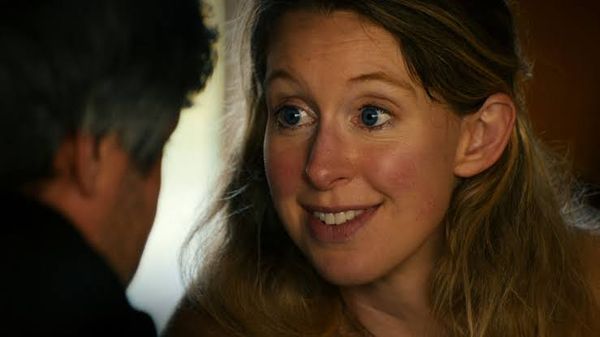
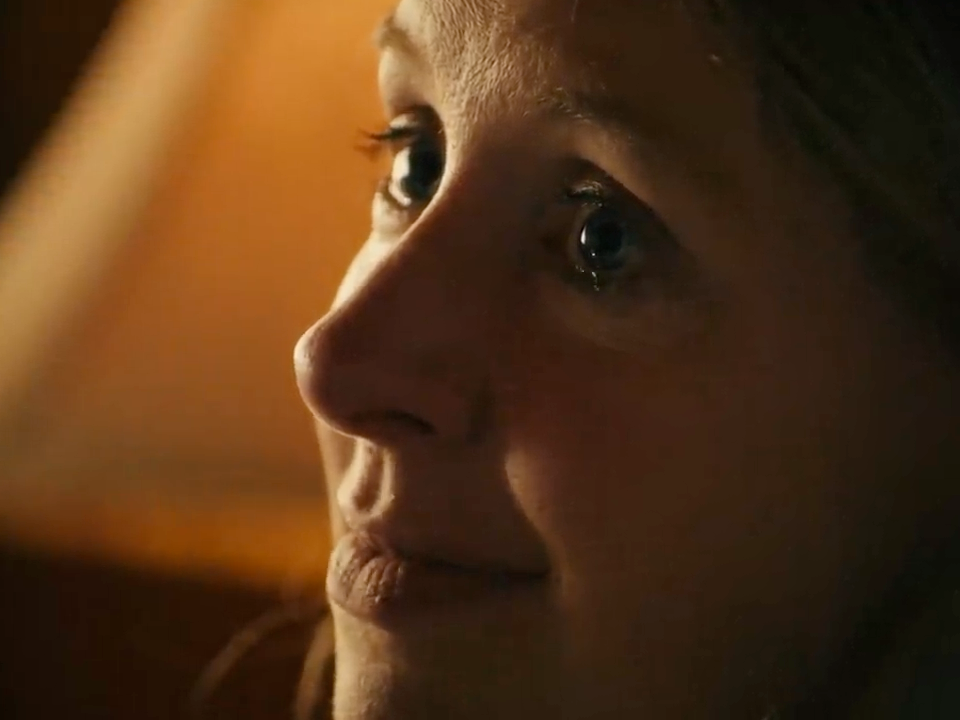
The film constantly uses ultra close-up shots while characters are speaking. Combined with its 4:3 square-shaped aspect ratio, the film feels claustrophobic and almost uncomfortable. The audience is forced to concentrate on the smallest changes in the character’s facial expressions.
The camera makes us feel as though we are sitting directly across from the people on screen. This is particularly effective with Holmes, whose carefully controlled expressions become something the audience constantly tries to interpret.
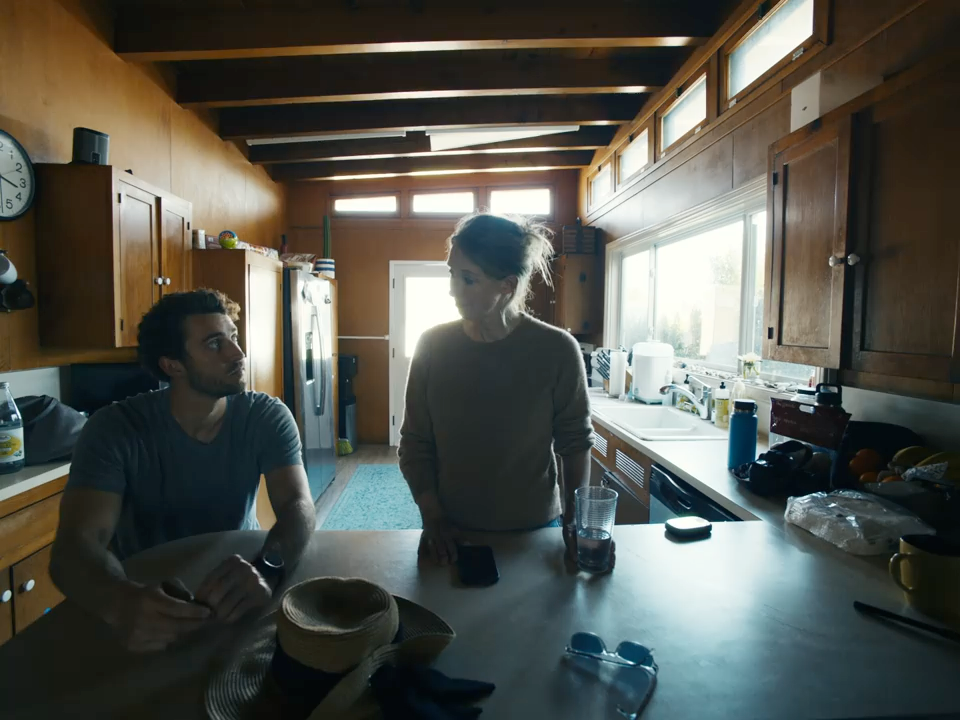
In its editing, the film doesn’t show the events in chronological order; instead, it revisits specific moments to learn more about the characters. One example is when Billy Evans secretly makes a deal with A24 without Holmes knowing, which is reenacted with actors. Holmes leaves the room to check on her baby before Evans negotiates a role in making a documentary—the one we’re watching right now—with A24. Billy is making this deal as Holmes is out the room, so the audience assumes that he is trying to help provide for the family with the earnings. Later, however, as Fielder recounts a moment where Holmes and Evans were manipulating him together, the documentary shows the same scene. This time, the documentary explores whether Holmes is an innocent bystander or a manipulative liar. By showing us the same footage in a different narrative context, the editing encourages the audience to reconsider what they initially thought. The audience is essentially doing the same thing as Fielder: trying to piece together who Holmes truly is.
Finally, the music, composed by Ari Balouzian, complements the look and feel of the film by turning it into a psychological horror. In some moments, the music uses long, uneasy violin strings that build tension as scenes play. In others, a more digitized, wavering sound mixed with a strong bass creates an almost surreal atmosphere. Each piece of music toes the line between calm and alarming. The music takes advantage of the audience’s uncertainty of Holmes, creating tension even when nothing is really happening, making the audience feel that something isn’t quite right.
Together, these elements make You Can See Everything an extraordinary viewing experience. Its cinematography makes us scrutinize the characters, its editing makes us question our interpretation of the characters, and the music makes us feel uneasy. Some of the best documentaries utilize filmmaking techniques to emotionally impact the audience’s understanding of the characters. But what makes You Can See Everything distinct is how it uses the language of psychological thrillers to tell its surreal story. By the end, there’s no satisfying conclusion or definite answer about Elizabeth Holmes and whether she has genuinely changed. That’s what makes the film so compelling: It allows the viewer to question everything and form their own opinion. Even if you think documentaries are boring, You Can See Everything is worth watching. After the three-hour film ended, I wanted four, maybe five more hours of the film. You Can See Everything is thoroughly enjoyable, entertaining, and head scratching in the best way possible. It’s my favorite film of the year, one of my favorites of all time, and it has my vote to win Best Picture at the Oscars.
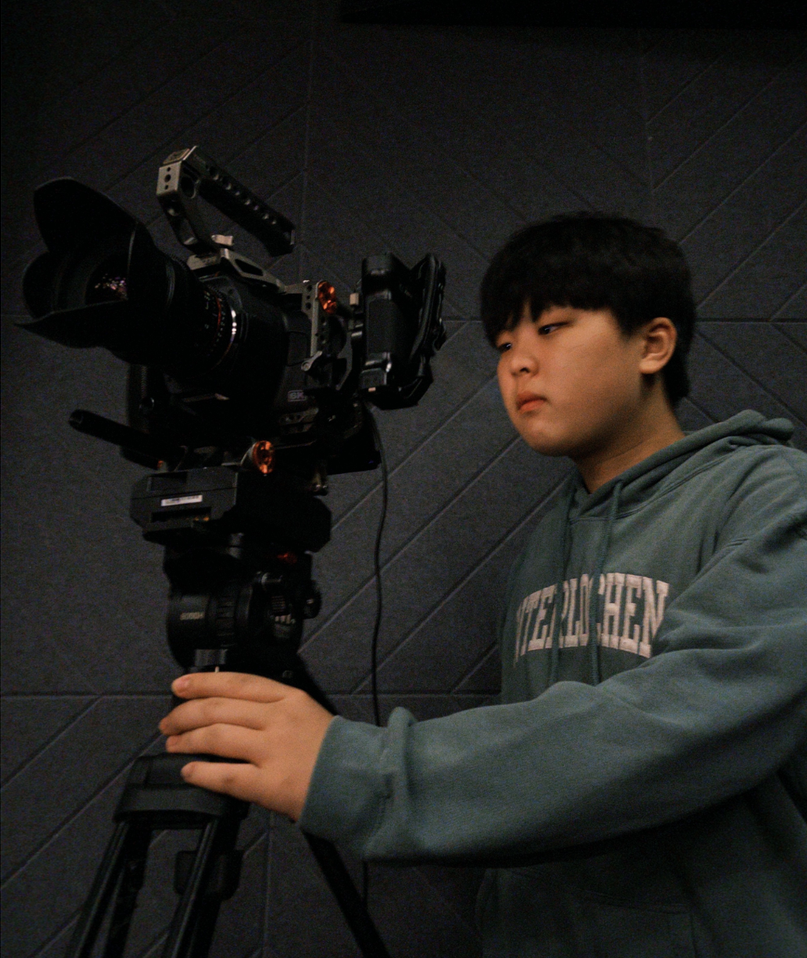
I'm a Korean American film director, and I enjoy watching movies, playing video games, and sleeping. At the core of my work is a passion for storytelling and entertainment whether it's in filmmaking, writing, or in telling stories to my friends.