
Ted Bundy: Can Evil be Genius?
Can one of the most infamous serial killers be labled a genius? Behind his heinous crimes lies a ethical debate between intelligence and morality.

– 3 min read
Can one of the most infamous serial killers be labled a genius? Behind his heinous crimes lies a ethical debate between intelligence and morality.

Genius: an exceptional natural capacity of intellect, especially as shown in creative and original work in science, art, music, etc..
Einstein was a genius: he brought a pioneering approach to his field. Not long after, between 1974 and 1978, Ted Bundy confessed to murdering at least 30 women across the United States. In four quick years, Ted Bundy became one of America's most prolific serial killers. Journalists, biographers, and even prosecutors have called him brilliant. But does that word belong to him? The term genius carries a very positive connotation: someone extraordinary and groundbreaking. But is it fair to consider someone who commits heinous acts of criminal violence a genius? We call Einstein a genius because his intelligence rebuilt fundamental concepts in his field. Bundy forces us to ask whether genius can exist in moral isolation, or whether it only requires extraordinary ability.
Although he did not reach the 140-plus threshold associated with being a genius, Bundy reportedly had an IQ of 136, placing him in the 99th percentile of the general population. He attended the University of Washington and earned a psychology degree in 1972. Bundy was said to have an exceptional memory and “ability to recount details.” The court described Bundy's communication style as “well organized, well thought out, articulate and appropriate”. His intelligence was real, but it may not be enough to earn the label on its own.
Yet Bundy's intelligence was not confined to academics or the courtroom; it became most apparent in the way he communicated with and manipulated his victims. Criminologist Veronyka James claimed that Bundy constructed “a façade of great sincerity and a social veneer”, allowing him to appear ordinary while concealing violent behavior. Bundy looked approachable: he drove a Volkswagen Beetle, dressed neatly, and appeared friendly. This ability to blend in became one of his most effective tactics. He understood that he could pretend to be injured and ask unsuspecting women for help, deliberately appearing vulnerable rather than threatening. Other times, he impersonated a police officer, using authority instead of sympathy to gain trust. The contrast between these approaches demonstrates Bundy's social awareness. He understood how people reacted to vulnerability and authority and adapted accordingly.
But is exploiting human trust by impersonating an officer or faking an injury only evil, or a form of genius?
Previously, Bundy had been careful: he stalked his victims, planned out who he would kill. But over time, he became careless. After his second prison break, Bundy reached Tallahassee, Florida, with a stolen car. Shortly after, he broke into the FSU Chi Omega sorority house, where he beat, strangled, assaulted, and murdered Lisa Levy and Margaret Bowman. Within days, a Pensacola Police Officer arrested him for the stolen car. While he was not arrested on the premise of murder, his carelessness got him caught.
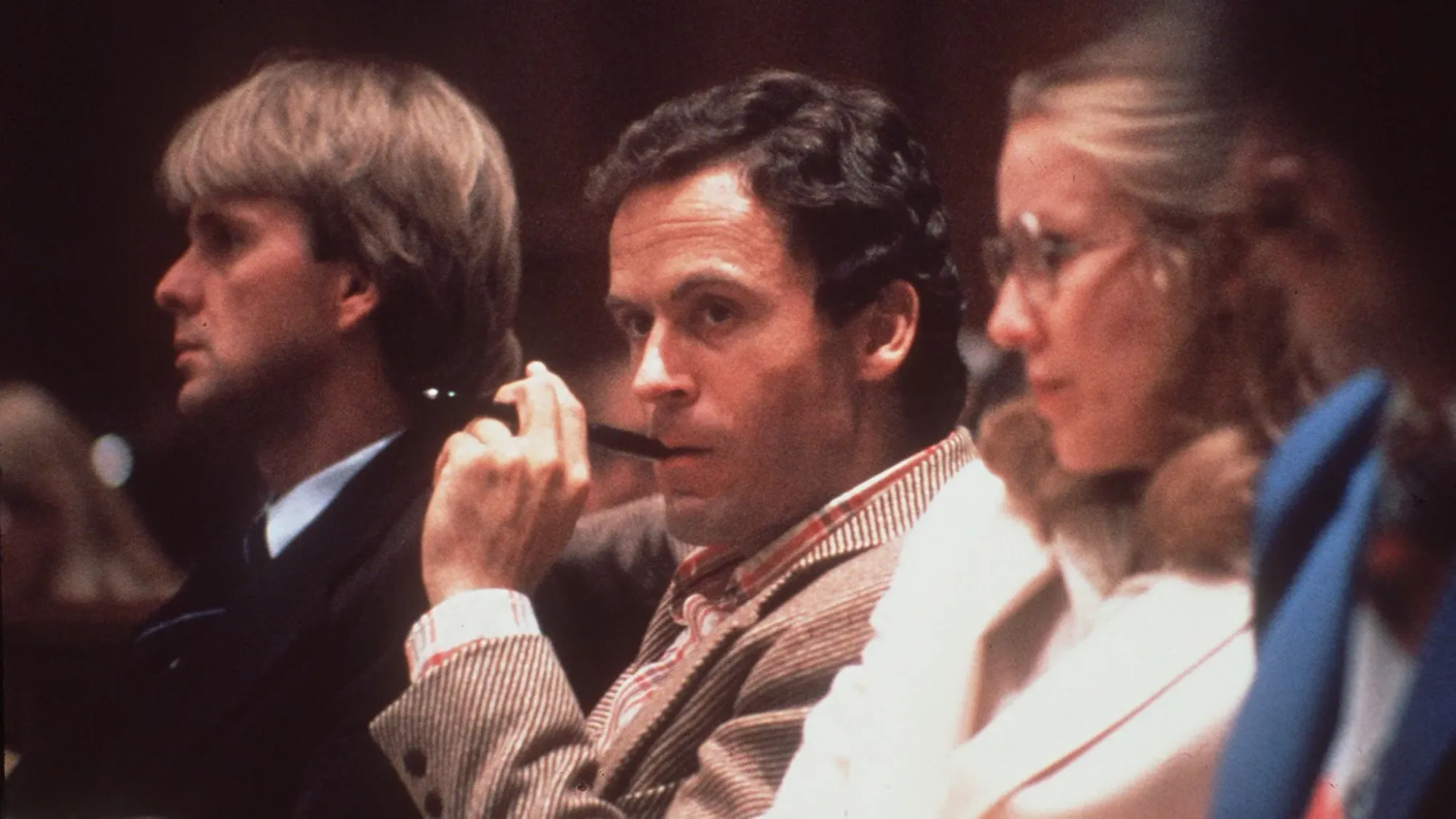
Ultimately, Bundy's final mistake complicated the image of the calculated mastermind that followed him for decades. A man remembered for his extraordinary evil intelligence was eventually captured for an avoidable mistake: driving a stolen car. This eventual carelessness demonstrates the extent of his intelligence, but also undermines the myth of the flawless mastermind, a myth the media helped build.
Ted Bundy is remembered as one of the most notorious, vicious serial killers in modern history. Calling his crimes “genius” feels morally repulsive, but labeling his behavior as such isn’t the same as admiring his actions. If genius is simply intelligence, then Bundy may qualify, and genius can exist apart from morality. But if genius must add something to the world, as Einstein did, then the word belongs only to those who build, not those who destroy. The definition we choose says less about Ted Bundy than about what we are really praising when we call someone a genius.