
Goodbye to Girlhood on 2x Speed
In the rapidly growing era of TikTok and beauty culture, girlhood is no longer simply lived and enjoyed, but performed Somewhere between the toy aisle and makeup aisle we lose what matters. With young influencers on the rise, attracting millions of followers, I wonder: when did our generation say goodbye to our childhood?
In 3rd grade, I saved up all the spare dollar bills I could find. I counted them up until they equaled $75, and ran to my dad, begging him to drive me to the lego store. I had been eyeing the lego friends cruise ship every day, and all I wanted to do was build that boat and let my lego friends embark on their waterfront vacation.
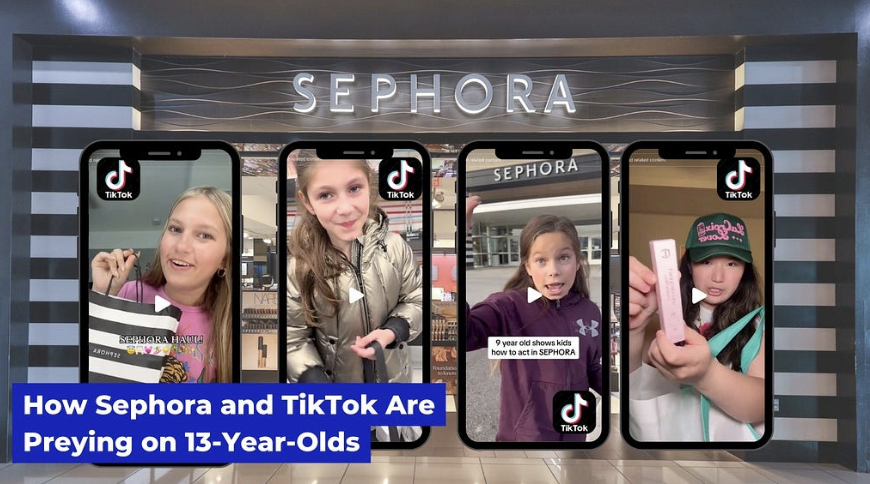
Last year, I visited my 7 year old cousin and surprised her with her own lego friends set. It was a huge cardboard box, with a shopping mall inside. Her face was unimpressed. She placed the box down on the table, and reached into her moms purse for a lip gloss. Later, her mom told me how she got that lip gloss from the downtown Disneyland sephora – with the cash she was given to buy any toy she wanted.
She didn’t run to look at the stuffed animals, mickey ears, or even a cotton candy. Instead, she waited until they were leaving the park to go get a $30, sparkly mac lip gloss. Now, kids my cousin's age aren’t saving up for toys in their imagination, they are imagining adulthood.
This isn’t a criticism of the kids; it's a concern for the environment they are growing up in. As a society growing alongside the digital age of social media, we have begun to normalise saying goodbye to childhood too early. This phenomenon of the ‘sephora kid’ is infecting the new generation of little girls. These girls save their change for an Ulta shopping spree instead of games. Young girls are conditioned to seeing other ‘tweens’ act like young adults, forcing them to believe that is the norm. Somewhere between the toy aisle and makeup aisle, girlhood turned into a branding exercise.
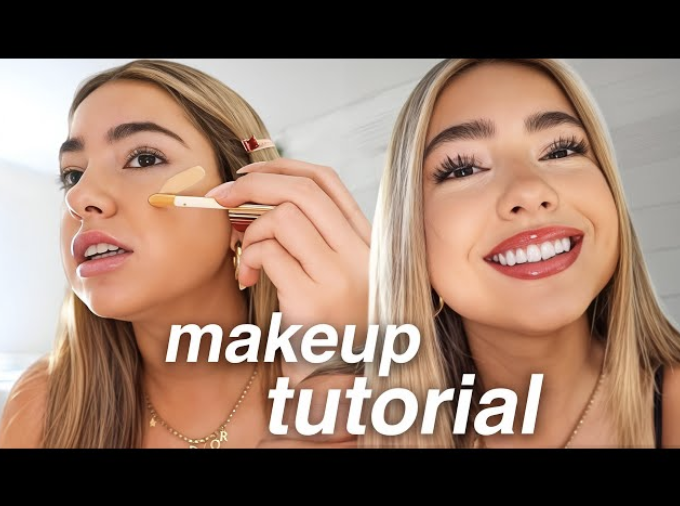
At age 14, Embreigh Courtlyn blew up on TikTok for making lip syncing videos and shopping hauls. She gained hundreds of thousands of followers almost instantly, including a vast majority being gen alpha. Embreigh posts videos of her makeup routine and daily outfits, both making her look 5 years past her age.

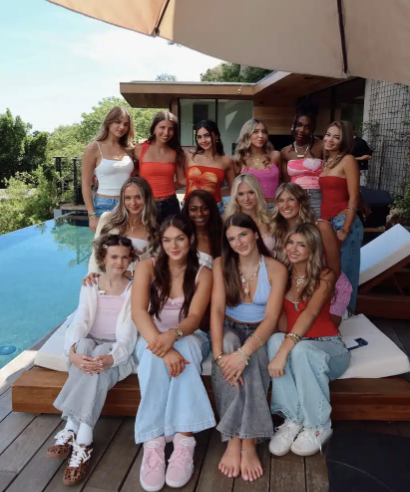
Now, at 16 years old, Embreigh Courtlyn has collaborated with some of the biggest brands in Gen Z culture: White Fox, Beginning Boutique, MCO Beauty. She is a part of the famous ‘glow house,’ the content house of 14 girls aged 12-18. She even just got a sponsored trip to Coachella with Revice Denim. It sounds like she is living the absolute dream life. It seems as if she doesn’t even go to school anymore– she just jumps from sponsorship to sponsorship.
And with each brand deal, comes equal scrutiny – criticism no 14-year-old should have to endure. Girls her age aren't just being watched, they're being pulled apart in comment sections. From people making fun of their faces, bodies, and routines, the confidence that should be growing is being transformed into insecurity.
But what about her childhood? What about the rush of making a stupidly funny video and accidentally posting it? What about doing your makeup and eyeshadow for fun, knowing you would never leave the house like that? It makes me wonder when she stopped doing these things. If at 14 she was already making makeup tutorials and lip syncing videos, when did she say goodbye to being a child? I cannot imagine my savings in my piggy bank being publicised online. I cannot imagine my childhood being on 2x speed for an audience of millions.
And Embreigh is not an exception: she is a blueprint. Thousands of other young girls are trying to replicate her lifestyle, mirroring what they see online. Somewhere between the tiktok dances and paid brand trips, we see a tragedy: a forceful goodbye to girls’ childhood. But, why is this happening? Well, instead of girl scout cookies, we hand out ring lights and discount codes. Adults encourage this behavior. Companies make retinol skincare products directed for 12-13 year olds, introducing them to chemicals their skin is not ready for. And behind those ads are the businesses that profit off of this culture. They are the businesses that turn girlhood into content for additional revenue.
We praise maturity too early. From the patriarchy, to the unrealistic beauty standards, young girls are trained to be ready for the camera, not to have fun. While boys rarely feel the need to curate their appearance for approval, the standards currently place leave girls in a cycle of intense toxic comparison. Teen girls no longer laugh at bad photos, they delete them. They place themselves next to every other girl their age, and find things they feel they need to fix. And for the girls who do not have the platform to create such a lifestyle, they are left to constant comparison. They begin to feel as if they are of less value because their following count is lower and the makeup drawer is emptier.
It is not the makeup that is the issue. Makeup has been a long term form of self expression that girls have used for generations. What has changed, however, is the expectation behind it. Now, young girls are expected to use makeup not for self expression or experiment, but to cover up their flaws. It becomes harmful when all the media they consume is of other girls their age, showing their tutorial to ‘glow up.’ It becomes scary when girlhood is a forgotten concept, and societal expectations have taken over.
Every generation says kids grow up too fast. But, with social media controlling us, we aren't just growing up quickly, but almost editing it out completely. We replace imagination with public image; toys with makeup; movies with thirst traps. We are saying goodbye to childhood, and an early hello to toxic comparison.