
Losing Meaning in a BookTok Era
I have a grudge against BookTok .
This specific corner of the internet, one where bookshelves are sorted by color and 30 year olds read YA novels, has redefined reading in the 21st century. BookTok has reinvigorated this young generation of readers, at a great cost.
I am a firm believer in literary power; following Ezra Pound’s philosophy, I believe that literature is “simply language charged with meaning to the utmost degree”. I maintain that as readers venture through worlds, plots, and characters, stories ought to prompt thought, challenge ideas, and transcend beyond the subject matter.
This beautiful power feels lost in our time, where the Tok in BookTok has assumed the wheel and is steering young readers into a superficial, commercial, and ultimately empty era of "literature". TikTok has reigned in a phase of publication where books designed to indulge readers, without challenging them, in an industry which tolerates reading in one dimension.
BookTok novels fall flat to me because they have developed an algorithm. When a contemporary romance novel with a cutesy-cartoon cover markets itself as with an “enemies-lovers” arc, you know how the book is going to end and I have beef with that.
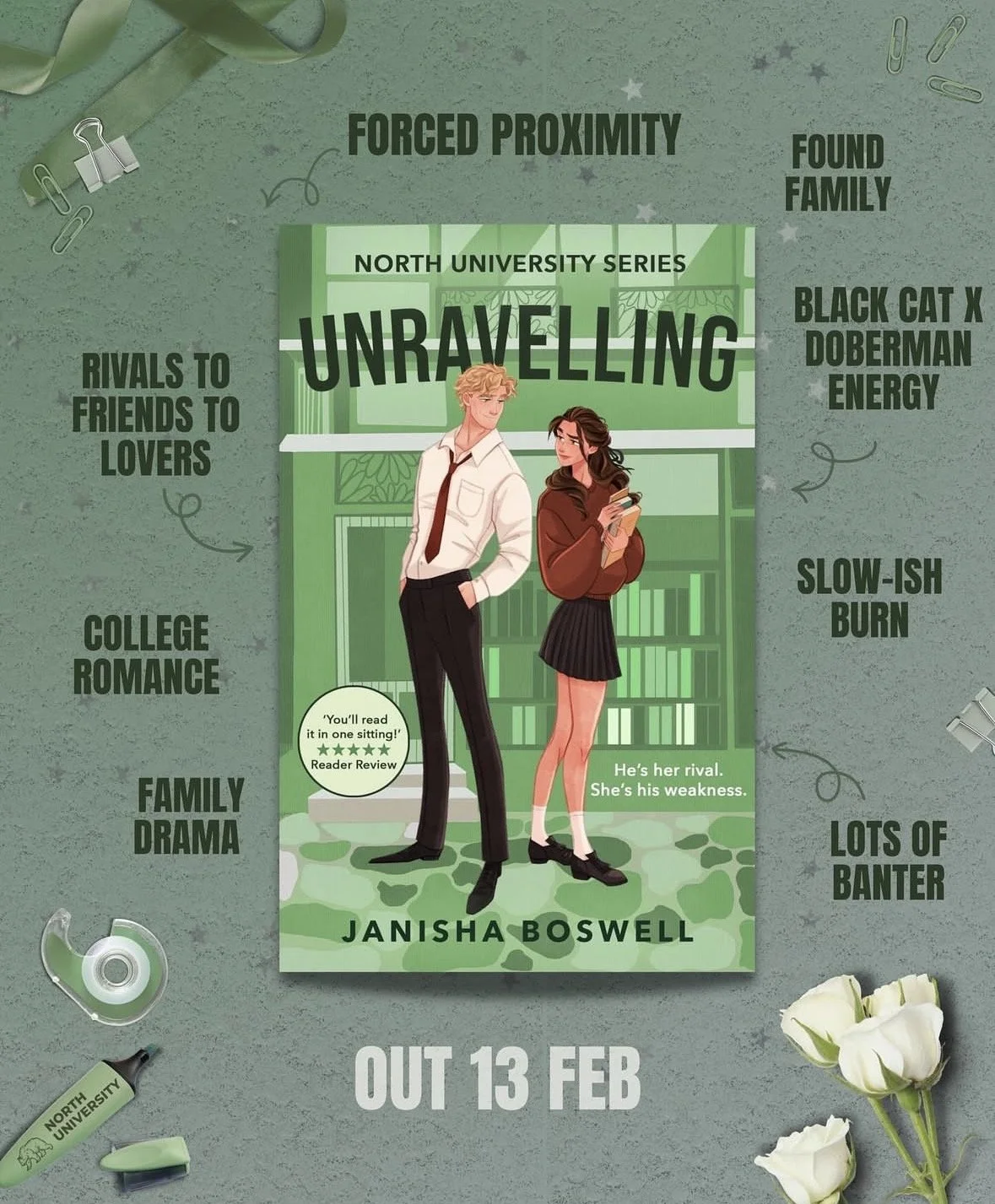
From @janishaboswell on Instagram
Books are taking shape with pre-manufactured plotlines, nuances, and specific kinds of dialogue based on what’s been previously well-received and what consumers (or readers I suppose) want more of. These trends, both literary and Internet, have been coined as microtropes; novels are gutted for their marketable traits and TikTok tags.
Enemies-to-lovers, Grumpy X Sunshine, The one-bed-trope.
Readers are encouraged to repeatedly consume the same content, or to read toward a spoiled ending, where books and characters act in an anticipated and desirable manner. BookTok novels, by their own volition, cannot outgrow their archetypes. And this constant reintroduction of the same ideas, and a formulaic approach to writing new novels, has created a literary echo chamber. And perhaps a cult.
BookTok is contained in an heavily insulated, enclosed cycle of the same ideas where readers will lose the ability to abstract with different perspectives and concepts. In a world of dwindling in media literacy, our society is empowering readers to continue consuming the same content in different contexts in differently-colored dust covers. We are forfeiting the critical thinking and reasoning skills fiction readers attain from interacting with complex narratives for recycled stimuli in the name of (you guessed it!) capitalism.
Much like our evil-TikTok overlords, the book-publishing industry has exploited its algorithm for commercial success. Back in 2022, in the early days of BookTok, I will never forget how Colleen Hoover’s It Ends With Us, a novel about a woman who experiences spousal abuse, was heavily marketed as a romance, and how it was then permissible for her to publish a coloring book alongside her novel about domestic abuse.
The industry’s paradigm, one which applauds the trauma-dump and sexual spectacle novels like Hoover’s bring to the table while trivializing heavy subject matter for obvious cash grabs, misleads readers with its rhetoric. My argument isn’t that It Ends With Us isn’t a romance novel; the story is about the protagonist finding and refinding love in adversity. My bone to pick lies in the fact that the BookTok discourse about the novel seemed to glaze over and even romanticize domestic abuse.
BookTokers alarmingly entertained the possibility of a “Team Ryle” (Team Abuser, by the way), while virally drawing focus to the way Atlas, the male protagonist, bakes cookies at some point in the book. My concern lies in how the suggestion of romance overwhelmed focus on the heavier aspects of the novel. Hoover’s portrayal of domestic violence, even if you find it flawed, shouldn’t have existed on the sidelines of a “love triangle”, and we need to understand why this misdirection is dangerous.
My biggest grievance with BookTok is that when an uncaring, profit-driven industry pumps out its 47th faerie-fantasy series of the year, a watered-down version of its predecessor, and readers eagerly embrace it, we promote anti-intellectualism. This is well and truly, the point at which we, as readers, lose the plot.
When we omit purpose and read at the surface level, we lose our ability to work with complex ideas in our current media landscape. We should have qualms with BookTok because, in our awful world, we cannot afford to lose our ability to think critically. We simply cannot opt for passive consumption when literary skills are one of our only means of resistance.